
When Good Writing Doesn’t Land: The Structure Missing Beneath the Story

I see this kind of draft all the time.
The writing is strong. The voice is clear. The material is real, sometimes deeply emotional. And yet, when you finish reading, something doesn’t quite land.
The raw ingredients are there.
What’s missing is structure.
Many writers resist structure because they think it will make their writing formulaic. They want to follow their instincts and let the piece unfold naturally.
But structure isn’t about forcing every story into the same shape. At its core, structure is about deciding what your piece is doing.
A story without structure can feel unresolved. I was reminded of this recently when my son needed an appointment at the Italian Embassy for a student visa.
It should have been simple.
It was not.
Every day at exactly 3 p.m. Pacific time, the embassy released a handful of appointments. They disappeared within minutes. For days, my family and I sat at our computers refreshing the website, clicking, hoping to get one.
We failed. Repeatedly.
Eventually, the frustration pushed me to try something different. With some help from AI, I wrote a script that checked the embassy website every two minutes for cancellations.
It worked perfectly.
It checked the site hundreds of times a day and found nothing.
Then one afternoon, at the usual release time, I logged in manually and got the last available appointment.
Objectively, it was a pretty ordinary success.
But after all the frustration, failed attempts, and problem-solving, it felt earned.
That’s what structure does.
Without the buildup, the story is simply: “I got an appointment.”
With the buildup, it becomes a story.
The Story Spine
When I teach storytelling, I often use Kenn Adams’ Story Spine as a simple foundation:
Once upon a time…
Every day…
Until one day…
Because of that…
Because of that…
Until finally…
Ever since…

It’s deceptively simple, but it creates something essential: movement.
In my visa story:
Once upon a time, my son needed a visa appointment.
Every day, we tried and failed to get one.
Until one day, frustration pushed me to build a script.
Because of that, I automated the search.
Because of that, I thought I might outsmart the system.
Until finally, I got the appointment the normal way.
Ever since, I’ve trusted frustration a little more as the moment before creativity kicks in.
Now the story has shape.
And shape gives meaning somewhere to land.
Where Writers Lose the Thread
When strong writing isn’t working, the problem is often structural.
There’s no clear turn. Nothing meaningfully changes, so the story feels static.
The writer jumps to the insight too quickly. We’re told what they learned before we’ve had a chance to experience what happened.
There’s no causal movement. Events happen, but we don’t feel the “because of that” connecting one event to the next.
The ending doesn’t resolve the beginning. The piece stops, rather than lands.
In these cases, the issue isn’t necessarily the writing.
It’s the architecture underneath it.
Structure also doesn’t restrict emotion. In many cases, it gives emotion somewhere to live.
Instead of simply writing, “I was frustrated,” you can show the frustration through action:
Refreshing the browser. Coordinating three computers. Writing a script out of sheer irritation.
Now we can experience the emotion rather than simply being told about it.
Those details become emotional anchors. They allow the feeling to build naturally through what the person is doing.
Try This Simple Structural Check
If you’re working on something that isn’t landing, ask yourself:
What happened?
What changed?
Why does it matter?
If those answers aren’t clear, the problem may not be your voice.
It may be your structure.
Structure is intention made visible. It gives your voice, emotion, and meaning somewhere to land.
And sometimes, it can even make getting a completely ordinary Italian visa appointment feel like a heroic victory.
Because structure doesn’t just shape a story.
It makes the story feel earned.
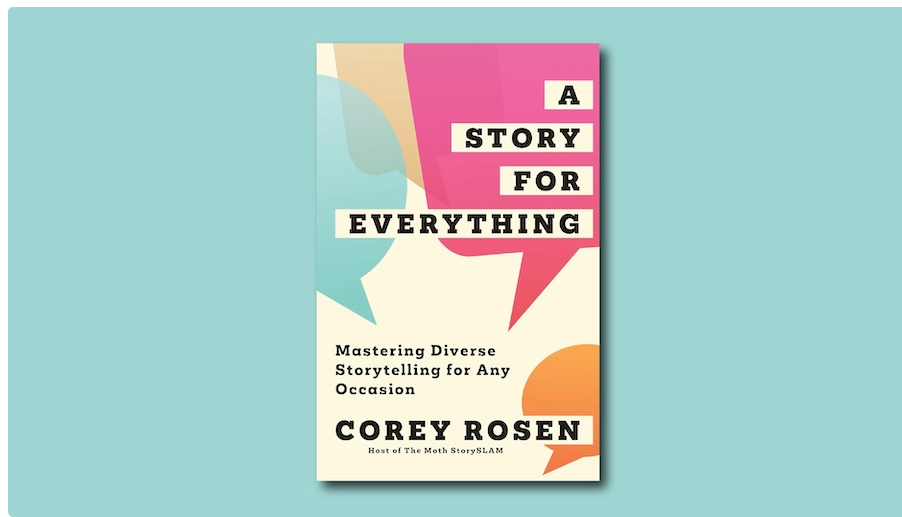
Want to understand why good writing sometimes doesn’t land, and how story structure can help an idea connect with readers? Read my latest piece on the structure beneath the story.


Comments