
Why Leaders Should Stop Giving Speeches and Start Telling Stories


Most leaders know they’re supposed to inspire their teams.
But that doesn’t necessarily mean standing in front of everyone and giving a motivational speech.
In my experience, a story often works better.
Stories can humanize leaders, lower defenses, and make difficult conversations feel less like announcements and more like moments of connection.
I learned that lesson years ago at Tippett Studio, the visual effects company founded by Phil Tippett.
The Jurassic-Sized Leadership Lesson

There was a period when the studio was struggling. Projects were ending, new work wasn’t confirmed, and employees were worried about layoffs.
An all-hands meeting was called.
People walked into our screening room expecting bad news. The atmosphere was tense. Then Phil walked to the front of the room and started telling a story.
He talked about how his wife, Jules, had made him get a haircut and put on clean clothes before traveling to Los Angeles to meet with Kathleen Kennedy.
That alone got people laughing. Everyone knew Phil was much more comfortable in torn jeans covered in clay and plaster dust.
Then came the surprise.
Phil thought he was going to pitch himself for work on a new Jurassic Park movie. Instead, he walked into a room with a camera crew and learned that they were offering him the job on Jurassic World.
The fear in the room suddenly turned into laughter and relief.
Phil could have sent an email announcing that the studio had landed new work.
Instead, he told us a story.
And that story became something we experienced together.
Why Stories Work So Well in Leadership
That moment stayed with me because it showed me something important about leadership communication.
Stories connect people to the person behind the title.
They also give people an emotional way to process information. A difficult announcement, a change in direction, or even good news can feel very different depending on how it’s delivered.
And stories stick.
People may forget the exact wording of an announcement. They’re much more likely to remember the story that made them laugh, surprised them, or helped them understand why something mattered.
You Don’t Need a Big Speech

Storytelling in leadership doesn’t mean every meeting needs to become a performance.
Sometimes a one-minute story is enough.
Share a story about a mistake you made and what it taught you.
Open a training session with a moment when you face the same challenge your team is facing.
Close a meeting with a quick story about someone who helped the team succeed.
When communicating change, explain the challenge, what happened, and why the decision was made instead of simply announcing the new direction.
These small stories build a shared sense of experience over time.
Make Storytelling Part of the Culture

Storytelling also doesn’t have to come only from the leader.
One activity I like using with teams is The Hype Game, where people take turns playfully exaggerating and celebrating each other’s strengths.
It’s silly on purpose.
But that kind of play can make it easier for people to recognize each other, express gratitude, and eventually have the harder conversations that teams need to have.
The goal isn’t to turn everyone into a professional storyteller.
It’s to make communication more human.
Leaders don’t always need another speech.
Sometimes they need a story that helps people understand the challenge, feel connected to the team, and see what comes next.
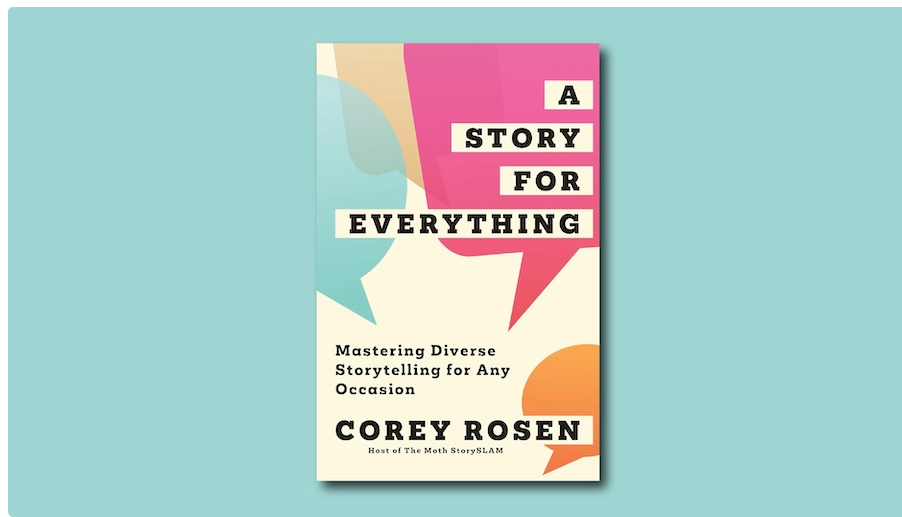
Want to learn more about using storytelling to lead, communicate change, and build stronger teams? Read my full article, “Why Leaders Should Stop Giving Speeches and Start Telling Stories,” in Training Magazine.


Comments